
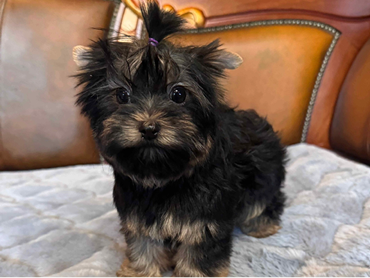
The day you bring your Yorkshire Terrier home is unforgettable. One moment you are holding a tiny bundle of energy and silk, and the next you are responsible for shaping habits that will last for the next decade or more. Learning how to train a Yorkie puppy at home step by step is not just about teaching commands. It is about building communication, structure, and trust from the very beginning.
We have guided hundreds of families throughout Southern California communities through the early stages of puppy development. Because our Yorkies are raised inside our home with structured routines, we see firsthand how early guidance influences adult behavior. In this detailed guide, we share practical Yorkie training tips, realistic timelines, and professional insight into house training small dogs successfully in a home environment.
Understanding How Yorkies Think and Learn
Before discussing commands and schedules, it is important to understand how Yorkshire Terriers process the world around them. Yorkshire Terriers are intelligent, alert, and highly people-focused. They bond deeply with their families and are very sensitive to tone of voice and emotional energy. Their small size does not reflect their confidence. Many Yorkies behave as though they are much larger dogs.
From our experience raising Yorkies in Riverside and working closely with veterinarians and trainers across Southern California, we consistently observe that Yorkies respond best to:
- Clear structure
- Positive reinforcement
- Short engaging training sessions
- Calm consistent leadership
They do not respond well to harsh corrections or inconsistent rules. When guidance changes from day to day, confusion sets in quickly. When expectations are steady, they learn remarkably fast.
Setting Up Your Home for Training Success
Training begins with environment control. A structured home layout prevents problems before they start.
Create a designated puppy area using gates or a playpen. This helps enormously when house training small dogs, since too much freedom too soon leads to accidents. Before bringing your puppy home, it helps to set up a few basics so everything feels smooth from day one.
A properly sized crate is important because it gives your puppy a safe, comfortable space that supports early training and rest. Soft training treats will make teaching commands easier since small rewards work best for motivation at this stage.
A lightweight harness and leash are also essential for gentle, controlled walks without putting strain on a tiny Yorkie’s body. If you’re planning indoor potty training, puppy pads will help create consistency and reduce accidents. Finally, keep an enzymatic cleaner on hand to properly remove any messes and prevent repeat accidents in the same spots.
Consistency across household members is critical. Everyone must use the same cue words and follow the same expectations. If one person allows jumping and another corrects it, progress slows.
Step 1. Create a Reliable Daily Routine
Routine is the backbone of effective training. Puppies feel secure when life is predictable. Your daily structure should include:
- Feeding at the same times
- Scheduled potty breaks
- Short play sessions
- Brief training periods
- Regular rest time
Young Yorkies need bathroom breaks frequently due to their small bladder capacity. Plan for outings or potty trips. After waking. After eating. After play. Before bedtime.
Families in busy areas like Los Angeles often find that scheduled routines make apartment living far more manageable. When timing is consistent, house training accelerates noticeably.
Step 2. House Training Small Dogs with Structure
House training small dogs requires close supervision and patience. Yorkies are intelligent, but their size means frequent opportunities are necessary.
Choose your method and stay consistent. If you are using outdoor training, always bring your puppy to the same location. If you prefer indoor pads, keep them in a fixed spot. Start by taking your puppy to the potty area on a regular schedule, especially after meals, naps, and playtime. Consistency is what helps them learn the routine faster.
Use a simple verbal cue like “potty” each time so they begin to associate the word with the action. Once you’re there, stay calm and avoid distractions so your puppy can focus. Give them a little time instead of rushing them. The moment they succeed, reward them immediately with praise or a small treat so they clearly connect the behavior with a positive outcome.
Inside the home, keep a close eye on them at all times. Supervision is key in the early stages because it prevents accidents and reinforces good habits from the start.
Crate training supports house training because dogs instinctively avoid soiling their sleeping space. The crate must be appropriately sized to prevent corner accidents.
In our experience guiding families, most Yorkies establish consistent potty habits within four to six weeks when routines are firm.
Step 3. Teaching Name Recognition
Name recognition is foundational for all further commands. Say your puppy’s name in a bright tone. The moment they look toward you, reward them with praise or a treat. Practice in a distraction-free space at first. Gradually increase environmental stimulation once responses are consistent. Reliable name recognition strengthens recall and builds attention control.
Step 4. Teaching Recall Indoors First
Recall is one of the most important safety commands. Start indoors in a quiet space. Move a short distance away and say your puppy’s name, followed by come. Reward generously when they approach. Avoid calling your puppy for negative experiences, such as nail trimming. Recall should always predict something positive. Yorkies are quick learners when recall is associated with enthusiasm and reward.
Step 5. Introducing Basic Commands
Teaching simple commands builds mental stimulation and structure. Begin with:
- Sit
- Stay
- Down
- Leave it
Use small treats and clear voice cues. For sit, guide the treat upward and slightly back. When the puppy sits naturally, reward immediately, and keep sessions under five minutes to maintain engagement. In our experience, Yorkies thrive when training feels interactive rather than repetitive.
Step 6. Leash Training with Patience
Because Yorkies are small and sensitive, leash training should begin gradually. Allow your puppy to wear the harness briefly indoors. Reward calm behavior. Attach the leash and encourage a few steps forward using treats. Avoid pulling.
Once comfortable indoors, practice in a quiet outdoor area before advancing to busier sidewalks. Families in urban Southern California settings often appreciate starting leash work inside to build confidence before public exposure.
Step 7. Managing Barking Early
Yorkies are naturally alert and may bark at unfamiliar sounds. Start by figuring out what’s actually triggering the barking. It could be strangers, sounds outside, excitement, or even boredom. Once you know the cause, it becomes much easier to guide the behavior instead of just reacting to it.
When barking starts, use a calm and consistent cue like “quiet” so your puppy begins to associate the command with settling down. The key is staying composed; your tone matters more than volume here. As soon as your puppy pauses or becomes quiet, reward that moment right away. This helps them understand that silence, not barking, gets attention and treats.
If they stay too focused on the trigger, gently redirect their attention to something else, like a toy or a simple command they already know. This breaks the cycle before it escalates.
Try not to yell over barking. It often feels like you’re correcting the behavior, but in reality, it can make things more exciting and encourage more noise. Early, calm redirection builds better long-term habits and prevents excessive vocal behavior from becoming routine.
Step 8. Socialization at Home and Beyond
Socialization shapes long-term confidence. Expose your puppy gradually to everyday experiences so they don’t become overwhelmed later on. Start with different household sounds like vacuum cleaners, doorbells, or kitchen appliances at a low intensity, slowly increasing exposure as they get comfortable.
Introduce calm visitors in a controlled way, allowing your puppy to observe from a safe distance before any direct interaction. This helps them learn that new people aren’t something to fear or react to.
Short, positive car rides are also helpful for building confidence. Keep the first few trips brief and rewarding so your Yorkie associates travel with safety instead of stress.
Finally, let them explore new textures like grass, tile, carpet, or soft mats at their own pace. These small experiences build confidence and reduce sensitivity to new environments over time. Before vaccinations are complete, carry your puppy in public spaces to safely expose them to environmental stimulation.
Because Yorkies are small, monitor interactions closely to ensure positive experiences. Our long-term observation is that early structured exposure reduces anxiety in adulthood.
Step 9. Preventing Separation Anxiety
Yorkies bond strongly with their families. Practice short separations early. Leave for a few minutes and return calmly. Gradually extend time away, provide safe chew toys during alone time, and avoid dramatic greetings or departures. Independence training builds emotional stability.
Step 10. Addressing Nipping and Play Behavior
Puppies naturally explore the world with their mouths, so gentle redirection is important from the start. If your Yorkie begins nipping, calmly guide them toward an appropriate chew toy so they learn what is acceptable to bite.
If the behavior continues, pause the interaction for a short moment. This teaches them that play stops when nipping starts, without needing harsh reactions.
Avoid rough hand play altogether, since it can blur boundaries and encourage more biting during excitement. Hands should never feel like toys to a puppy. Staying consistent with these responses helps your Yorkie understand limits clearly while still feeling safe and engaged.
Step 11. Reinforcing Calm Behavior
Training goes beyond teaching commands. It also involves reinforcing the quiet, steady moments that often get overlooked. When your Yorkie naturally lies down calmly, acknowledge it with a gentle reward so they learn that relaxation is a positive behavior.
Offer praise when they stay quiet instead of constantly seeking attention or stimulation. These small moments add up and help shape a more balanced temperament over time.
You can also encourage settling on a designated mat or resting spot. With repetition, this becomes a familiar place where your puppy knows it’s okay to slow down and relax.
Building calm behavior is just as important as obedience training. A well-adjusted Yorkie isn’t only responsive but also able to settle, self-soothe, and feel comfortable doing nothing for a while.
Step 12. Advanced Yorkie Training Tips
Once basics are established, introduce:
- Impulse control exercises
- Polite greeting training
- Place command practice
- Structured waiting before meals
Impulse control strengthens patience and self-regulation. These skills create a well-mannered adult dog rather than a reactive one.
Common Mistakes to Avoid
Inconsistent routines, changing rules, overcorrection, too much freedom early, and a lack of mental stimulation can slow training and confuse your Yorkie. Consistency builds clarity and reliable behavior.
Progress is gradual: first two weeks focus on bonding and routine, weeks three to four strengthen house training, weeks five to eight build command reliability, and weeks eight to twelve improve impulse control and independence. With steady structure, noticeable improvement often appears within the first month.
Frequently Asked Questions
How long does it take to train a Yorkie puppy at home step by step?
Most Yorkies show strong foundational progress within four to eight weeks. Continued reinforcement ensures long-term consistency.
Are Yorkies difficult to house train?
House training small dogs can require more frequent potty breaks, but Yorkies are intelligent and responsive when routines are consistent.
What are the best Yorkie training tips for beginners?
Focus on routine, short sessions, positive reinforcement, and consistent expectations across all family members.
Can I train a Yorkie without professional help?
Yes, many families succeed at home with patience and structure. Professional trainers can help with persistent challenges.
When should training start?
Training should begin immediately upon bringing your puppy home to set clear expectations from day one.
Building a Lifelong Partnership
House training small dogs, like a Yorkie, is not a short process. It is the start of a long partnership that can last fifteen years or more. The habits formed in the early months shape confidence, trust, and communication. With patience, structure, and positive reinforcement, your Yorkie learns far more than commands. They grow into a loyal and well-connected companion in your home.
If you want a strong starting point, Playful Teacup Yorkshire raises puppies in Riverside, California, with early routines and social exposure that support easier training at home. Families across Southern California often rely on us while raising confident Yorkie companions. Remember, with the right and steady guidance, your Yorkie grows into a confident companion.

